Seasonal marketing: The framework you're missing
Does your marketing feel a bit random right now? You post when you remember, send a promotion when things slow down, and never quite find a rhythm to any of it. Between running your business and actually doing the work, it’s hard to know when to reach out or what to say.
Seasonal marketing is like a moving train you can hop on. The schedule already exists: holidays, seasons, and annual events when your customers are primed to spend or take action. You just need to figure out which stops make sense for your business and get on board.
Which trains you board depends entirely on your audience. This guide will help you identify those moments, plan simple campaigns around them, and execute without overwhelm. Less random posting, more strategic showing up.
Key takeaways:
- Show up when customers are already keen to buy – align with natural spending cycles, not every seasonal trend.
- Match seasonal moments to your actual business – a wedding photographer’s calendar looks nothing like a tax accountant’s.
- Start planning 4-6 weeks out – enough time to prepare without panic-writing emails at midnight. For high-stakes moments like Black Friday, picking the best tie to send your emails matters even more.
- Build campaigns on email and your website – owned channels you control beat social media algorithms you don’t.
- FTrack what works and skip what doesn’t – watch opens, clicks, and revenue to build a smarter calendar each year.
What is seasonal marketing?
Seasonal marketing is a strategy that aligns your campaigns with specific times of year when customer behavior naturally shifts. Instead of guessing when to reach out, you’re showing up during moments when people are already thinking about spending, planning, or taking action.
The obvious examples are retail holidays like Christmas, Black Friday, and Valentine’s Day. But “seasonal” goes way beyond shopping holidays and looks different depending on your business. An ecommerce store might focus on gift-giving holidays, while a B2B consultant targets January when companies have fresh budgets and less inbox noise. A wedding photographer’s “season” is completely different from a tax preparer’s.
These moments give you a ready-made reason to reach out, a clear theme for your campaigns, and customers who are already in the mindset to engage.
So which moments are actually yours?
Choose your seasonal marketing moments
Below, you’ll find the major seasons and the specific moments within each one. We’ll explain what each moment is and who benefits from it, plus quick campaign ideas.
Spring campaigns that bloom
Spring brings fresh starts, new budgets, and people ready to tackle projects they’ve been putting off all winter. Motivation is high, wallets are open, and everyone’s in planning mode.
- Spring cleaning (March-April): People are finally dealing with the clutter they’ve ignored for months. If you sell storage solutions, offer cleaning services, help people get organized, or blog about decluttering, spring cleaning is your Super Bowl.
- Mother’s Day (May): One of the biggest gift-giving holidays of the year, and people actually spend money here. Perfect if you run an online shop selling gifts, flowers, jewelry, or personalized items. Also great for restaurants offering brunch specials, spas, wellness services, and florists who are about to have their busiest week.
- Easter (March-April): Religious holiday meets family gathering meets excuse to buy chocolate. Works well for online stores with seasonal products, bakeries going all-in on themed treats, event planners, and craft bloggers showing off DIY Easter basket ideas.
- Tax season (January-April): The deadline everyone dreads, which means they desperately need help. If you’re an accountant, bookkeeper, financial planner, or business consultant, this is when your phone should be ringing. People are actively searching for you.
- Wedding season kicks off (April-May): Engagement season wraps up and couples shift into serious planning mode. Prime time if you’re a wedding photographer, event planner, venue owner, caterer, florist, or invitation designer. They’re booking now for summer and fall weddings.
And if your audience cares about these, so should you:
- 💐 International Women’s Day (March 8): If your audience skews female or you champion women-owned businesses, this is a natural fit for content and campaigns.
- 🎭 April Fools’ Day (April 1): Risky but can pay off if your brand has personality. Works for playful businesses that can pull off a good joke without annoying their customers.
- 🌱 Earth Day (April 22): If sustainability matters to your brand identity or customers, this is your moment to show it. Great for eco-friendly products, green services, or content about reducing impact.
- 📍 Local and niche seasonal events: Got runners in your audience? Check the spring marathon calendar. Serve gardeners? Align with when planting season actually starts in your region. The more specific you get to your actual customers, the less competition you’ll face.
Quick campaign ideas for spring seasonal marketing:
Accountants: “Tax Prep Kickstart” email series in January offering early-bird consultation packages
Wedding photographers: January booking campaign with special pricing for newly engaged couples
Ecommerce (home goods): March spring cleaning sale featuring organization and storage products
Wellness coaches: Spring wellness refresh campaign in March with “reset your health” messaging
Summer campaigns to try: hot marketing ideas
Summer means vacations, slower inboxes, and for many businesses, a chance to stand out while everyone else is at the beach. Some industries hit peak season, others quiet down — both create opportunities.
- Father’s Day (June): The often-forgotten gift-giving holiday that still drives serious spending. Great if you sell tools, tech, outdoor gear, grilling supplies, or personalized gifts. Also works for restaurants promoting Father’s Day meals and experience providers (think golf outings, fishing trips, sports events).
- Summer camps and activities (June-August): School’s out and parents need solutions. Prime time if you run camps, offer tutoring, coordinate activities for kids, or create educational content that keeps children engaged during break.
- Vacation and travel season (May-August): People are booking trips, planning getaways, and buying everything they need for travel. Perfect for travel bloggers, tour operators, anyone selling luggage or travel gear, and destination-based services.
- Back to school prep (July-August): Starts earlier than you think. Parents and students are shopping for supplies, clothes, tech, and getting organized for the new school year. Works for online stores, tutors ramping up for fall, organizing services, and educational content creators.
- Home improvement season (June-August): Good weather means people finally tackle those outdoor projects. Ideal if you offer landscaping, painting, deck building, pool services, or sell home improvement products.
- Mid-year reviews and planning (June-July): Companies assess how the year’s going and adjust strategy for the second half. If you’re a B2B consultant, offer training, or sell software that helps with optimization, this is your window.
- Summer learning (June-August): Decision-makers actually have bandwidth when the office slows down. Great time for course creators, professional development programs, and B2B content marketing when there’s less inbox competition.
More moments that might match your audience:
- 🌈 Pride Month (June): If you serve or support the LGBTQ+ community, this is a natural time for visibility and campaigns that matter.
- 🎆 Independence Day/national holidays (July 4 in the US, Canada Day July 1, etc.): Patriotic holidays drive sales for certain products and create natural content hooks if your audience celebrates them.
- ☕ Back to school counterprogramming (August): While everyone’s focused on students, consider campaigns for adults who are kid-free and ready to focus on themselves again.
- 🎪 Local summer events: Outdoor concerts, farmers markets, community festivals. If your business is local or serves a specific region, align with what’s actually happening where your customers are.
More campaign ideas for summer seasonal marketing:
Tutors: July back-to-school enrollment campaign with sibling discounts for early registration
B2B consultants: June “mid-year strategy check-in” offering with downloadable planning guide
Freelancers: “Book your fall projects now” campaign in July while competitors are on vacation
Travel bloggers: May destination guides with affiliate links for summer travel gear
Home service providers: June outdoor project packages (landscaping, painting, deck building)
Fall tactics to harvest results
Fall brings everyone back to routine after summer, ramps up holiday prep, and for B2B, it’s the final budget push before year-end. Attention spans return and purchasing picks up.
- Back-to-school (August–September): The return to routine means new schedules, supplies, and habits. Works for online stores selling supplies, clothing, and tech, tutors booking fall students, meal prep services for busy families, organizing experts helping people reset, and productivity tools.
- Halloween (October): Costumes, decorations, parties, and candy. One of the biggest ecommerce moments outside of the winter holiday season. Perfect for costume retailers, party supply stores, event planners, craft bloggers doing DIY costume tutorials, and anyone selling treats or seasonal décor.
- Fall home prep (September-October): Homeowners are getting ready for winter. Prime time if you offer HVAC services, landscaping, gutter cleaning, winterization, or sell seasonal home products like draft stoppers and cozy textiles.
- Financial year-end planning (October-November): Individuals and businesses make final money moves before the calendar flips. If you’re a financial planner, accountant, investment advisor, or tax strategist, your clients need you now to optimize their year-end position.
- Early holiday shopping (October-November): Smart shoppers start before the rush. Great for online stores offering early-bird deals, gift guide creators getting ahead of December chaos, and retailers who want to capture budget before Black Friday eats it all.
- Black Friday/Cyber Monday (November): The shopping weekend that launches the holiday season. If you run an online store or retail business, this is unavoidable — your customers expect deals. Also works for deal aggregators, shopping content creators, and anyone who can tie their service to “end-of-year savings.”
- Q4 budget cycles (October-December): Companies are racing to spend allocated budgets before they disappear. If you offer B2B services, sell software, provide consulting, or run training programs, this is when procurement gets urgent. Also prime time if you sell giftable items—companies, real estate agents, and service businesses buy employee and client gifts in Q4. Start pitching in October before budgets get locked up.
- Holiday event planning (October-November): Businesses and individuals are booking venues, caterers, and services for holiday parties. Works for event planners, venues, caterers, photographers, and entertainment providers.
Beyond the obvious:
- 🏪 Small Business Saturday (November, day after Black Friday): If you’re a small business competing with big retail, this is your counter-programming moment. Customers are actively looking to support small businesses.
- 💝 Giving Tuesday (November, Tuesday after Thanksgiving): If you run a nonprofit, have a charitable component, or your audience cares about giving back, this day is built for you.
- 🍂 Local fall festivals and events: Harvest festivals, Oktoberfests, Halloween events. If you’re local or regional, tie into what’s actually happening in your community.
And here come some campaign ideas for fall seasonal marketing:
Ecommerce stores: November holiday gift guide series with curated collections and bundle pricing
B2B service providers: October “Q4 budget reminder” email sequence with case studies
Event planners: September holiday party booking campaign before calendars fill
Retail stores: Small Business Saturday exclusive deals promoted via email to local customers
Non-profits: Giving Tuesday campaign with matching gifts and impact stories
Winter outreach to warm up your sales
Winter combines the biggest retail frenzy of the year with January’s fresh-start energy and new budget cycles. It’s chaos in December and opportunity in January.
- BFCM (Black Friday/Cyber Monday) (November): The biggest shopping weekend of the year, dominated by major retailers with massive budgets. But that doesn’t mean small businesses should sit it out. Your customers still expect deals, and there are smart Black Friday ideas to compete without burning your profit margins. Works for online stores, retail businesses, deal aggregators, shopping content creators, and anyone who can tie their service to “end-of-year savings.”
- Q1 planning and goal-setting (October-December): Businesses are finalizing strategies and setting goals for the year. Works for B2B consultants, strategic planning services, team development providers, and tools that help with execution and tracking.
- Christmas and holiday season (November-December): The peak gift-giving period with massive consumer spending. Perfect for ecommerce, retailers (online and brick-and-mortar), restaurants doing holiday bookings, delivery services working overtime, and gift guide creators capturing search traffic.
- Post-holiday sales (late December-January): Returns, exchanges, and “treat yourself” spending after the holidays. Great for online stores clearing inventory, retailers moving seasonal products, and services targeting people with gift cards burning holes in their pockets.
- New Year wellness and organization (January): Resolution season. Everyone wants to get healthy, get organized, and get their life together. Prime time if you offer fitness services, wellness coaching, organizing expertise, productivity tools, planners, goal-setting products, or courses that promise transformation.
- Tax prep season ramps up (January-February): Early birds are getting their documents together before the April rush. If you’re an accountant, bookkeeper, or sell tax software, starting your outreach in January means you’re not competing with the March panic.
- January “fresh start” campaigns (January): Companies have new budgets and decision-makers are open to change. Way less inbox competition than December when everyone’s checked out. If you offer B2B services, sell software, provide consulting, or run training programs, January is often smarter than Q4.
Still more to consider:
- 🎁 Boxing Day/December 26 sales: Huge in some regions (Canada, UK, Australia). If you serve international customers or are based outside the US, this rivals Black Friday.
- 🎉 New Year’s Eve: If you’re in hospitality, events, or sell party supplies, this is obvious. Less obvious: it’s also good for “last chance” year-end holiday deals.
- 🥤 Dry January: If you sell non-alcoholic beverages, wellness products, or create content about health, this month-long trend has real momentum.
- 📅 Your industry’s actual season: Winter looks different if you’re a ski resort (peak season) versus a landscaper (planning season). Don’t force December campaigns if your customers aren’t buying then — own January instead.
Winter seasonal marketing ideas:
Wellness coaches: January “resolution rescue” campaign with realistic goal-setting packages
B2B consultants: December emails offering January Q1 planning sessions
Freelancers: Late December “planning Q1 projects?” outreach to past clients
Content creators: Early November holiday gift guides with affiliate links
Accountants: January tax prep email series with early-bird pricing
Think about your actual audience — when are they actively looking for what you offer? That’s your calendar, not every holiday that shows up on social media.
Plan and create a successful marketing campaign in five steps
You don’t need a massive budget or a marketing team to run a seasonal campaign. You need a plan, a timeline, and the discipline to start before you’re scrambling.
- Start 4–6 weeks early
Four to six weeks gives you enough time to write your marketing emails, update your website, and handle whatever goes wrong (something always does). It’s early enough that you’re not writing “Valentine’s Day sale” emails at 11 PM on February 13th.
This timeline depends on your resources and business type. A solo consultant needs less runway than an ecommerce store managing inventory. The point is breathing room without scrambling. Sometimes you’ll still do things last minute — we’ve all been there. Just don’t make it your default.
Quick timeline:
- Weeks 1–2: Decide your offer, write emails, draft landing page
- Weeks 3–4: Design graphics, set up email sequences, update website
- Weeks 5–6: Schedule everything, test all links, brief your team
- Launch week: Send your scheduled email campaigns, watch results, adjust if needed
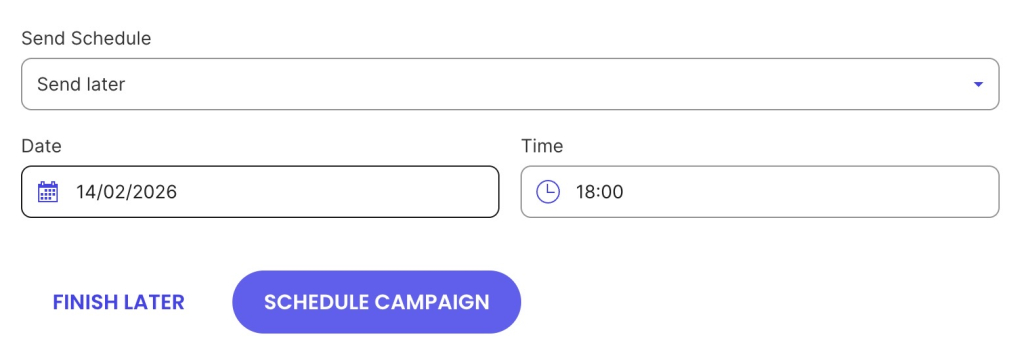
With SiteGround Email Marketing, you can write all your successful seasonal campaign emails in advance and schedule them to send on specific dates and times. Set up your entire sequence in one sitting — your welcome email, reminder, last-chance message — and the system handles delivery automatically. No more panic-writing “last chance!” emails at midnight or setting phone alarms to remember to hit send.
- Build one clear offer
Pick one thing. Make it obvious what people should do.
Your offer options:
- Discount or promotion (20% off, buy-one-get-one)
- Limited package (holiday portrait session, tax season bundle)
- Helpful content series (5-day wedding planning course, spring cleaning checklist)
- Resource guide (back-to-school survival guide, year-end tax checklist)
Match it to the moment:
- Tax season = stress relief.
- Wedding season = planning help.
- Holiday season = gift solutions.
- Use owned channels first
Email and your website are marketing channels you control. Social media algorithms might bury your post. Email lands in inboxes.
Your campaign core:
- 3–5 emails over the campaign period
- Landing page with clear offer and call to action
- Social posts to support (but don’t count on them to carry the campaign)
Email is your best owned channel to start with — you actually own the email list. Pair email with your website, and you’ve got an integrated marketing setup that doesn’t depend on anyone else’s algorithm or policy changes. SiteGround Email Marketing makes this simple: easy campaign management plus strong email deliverability that actually gets your emails into inboxes.
- Create honest urgency
Real deadlines work. Fake ones don’t. Here are examples of urgency you can use in your emails, landing pages, or social posts:
| Real urgency | Fake urgency |
| “Early bird pricing ends Sunday because that’s when I finalize the workshop materials” | “Countdown timers that reset daily” |
| “Order by Dec 18 for Christmas delivery — that’s UPS’s cutoff, not mine” | “Limited time” offers that never end |
| “I’m booking fall sessions now. Wait until September and you’re competing for leftover dates” | “Only X spots left” when capacity is unlimited |
- Gather insights and track what works
Don’t launch and forget. Track basics so you know what to repeat.
Some factors to keep in mind:
- Email open rates (typical: 15-25%, seasonal campaigns often higher), click rates (typical: 2-5%, 10%+ means strong connection) and other relevant email marketing metrics
- Landing page conversions (1-5% is common, but depends heavily on your offer and audience)
- Which emails drove responses
- Total revenue or bookings
- Which channels performed best
Don’t obsess over industry email marketing benchmarks. Your first campaign is about establishing your baseline. Ideally, your second-year campaigns should beat your first-year numbers. That’s the only comparison that matters.
Seasonal campaign planner template
Now that you know the steps, here’s a template to keep your campaign organized:
| Campaign element | Your plan | Deadline |
| Seasonal moment | Which holiday/season are you targeting? | |
| Campaign dates | Start date: _________ End date: _________ | |
| Target audience | Who is this campaign for? | |
| The offer | What are you promoting? (discount, package, content, resource) | |
| Channels | Which channels will you use? (email, website, social, ads) | |
| Team/help needed | Who needs to be involved? (designer, writer, developer, support) | |
| Budget | What will this cost? (tools, ads, design, time) | |
| Urgency element | What’s the real deadline? (shipping cutoff, limited spots, offer expires) | |
| Success metrics | What are you tracking? (email opens, clicks, sales, bookings) |
Choose your battles with seasonal marketing
You get to pick. Start with two or three seasonal moments that actually match when your customers are ready to buy. Test those, see what works, and add more as you get the rhythm down. Everyone else can chase every holiday that pops up on their feed while you show up strong for the seasons that matter to your business.Build seasonal campaigns in SiteGround Email Marketing, where high delivery rates mean your Black Friday sale actually reaches people instead of disappearing into spam folders. When you’re working with shipping cutoffs and real deadlines, an email that doesn’t land is a campaign that never happened. Schedule everything in advance, trust it’ll reach your customers, and move on with your day. That’s not missing out — that’s strategy.
Improve Your Email Campaigns with SiteGround!
Want your emails to reach more people? Try SiteGround Email Marketing. With an average delivery rate of 98.8%, your emails will land in your subscribers' inboxes. 
Frequently asked questions about seasonal marketing
Start with 2–3 moments that match when your customers actually buy. Test those, track results, add more next year. Trying to hit every holiday in year one is how you burn out by March.
A tutoring service runs a back to school campaign in July. Three emails: fall sessions open, sibling discount for early registration, spots filling up. They update their website, post twice on social, set a real deadline (August 1st). Result: 12 families book before summer ends. That’s seasonal marketing: showing up when parents are already thinking about the school year.
You reach people at the right time: when they’re already prepared to buy. Sales increase because you’re tapping into predictable buying patterns and natural urgency. Campaigns feel timely, so engagement goes up. You build stronger connections by showing up at moments that matter. And while competitors scramble or sit out, you planned ahead and showed up prepared.
Seasonal marketing campaigns work for any business. You just need different seasons. Accountants have tax season. Wedding photographers have an engagement season. B2B consultants have Q1 budgets and Q4 spending cycles. Find when your customers are already thinking about what you offer.
No. Discounts work for retail, but service businesses can offer early-bird pricing, limited availability, or packages instead. Sometimes your offer is helpful content that leads to bookings later. Match your offer to what your customers actually value.





Comments ( 0 )
Thanks! Your comment will be held for moderation and will be shortly published, if it is related to this blog article. Comments for support inquiries or issues will not be published, if you have such please report it through our official channels of communication.
Leave a comment
Thanks! Your comment will be held for moderation and will be shortly published, if it is related to this blog article. Comments for support inquiries or issues will not be published, if you have such please report it through our official channels of communication.