Plan Integrated Marketing: Strategy + Template

-
- What Is Integrated Marketing?
- Key Principles of Integrated Marketing Communications
- Integrated Marketing vs. Other Marketing Approaches
- What’s Changed About Integrated Marketing Now?
- How to Create a Successful Integrated Marketing Strategy
- Best Integrated Marketing Channels (+ Examples)
- Let’s Make Your Integrated Marketing Work
Here’s the thing about integrated marketing: it sounds like one more thing you need to learn, right? Another framework, another strategy, another way you’re supposedly “doing it wrong.”
But you’re probably closer than you think. You already have a website. You send emails. Maybe you post on social media. The gap isn’t that you’re missing something—it’s that these pieces could be working together and they’re probably not.
In this article, we’ll cover what integrated marketing actually means, how to build a strategy that works for your business, and which channels to connect first. You’ll also get a practical integrated marketing strategy template you can fill out and use immediately—no complicated frameworks, just a straightforward plan to get multiple marketing channels working together.
Let’s get started.
Key takeaways:
- Integrated marketing coordinates channels to share the same message and customer data—website, email, and social guide customers through one connected journey instead of separate campaigns.
- Privacy updates cut off cross-platform tracking: build on owned channels (website + email) where you control data and connections, not platforms that restrict access.
- Website + email foundation: when hosting and email live on one platform, forms sync directly to lists without broken APIs or manual exports.
- Integration metrics reveal what works: track how channels connect (website signups becoming email subscribers, email clicks turning into sales) rather than judging each channel alone.
- Three connected channels beat five disconnected ones: map your core message, choose channels where your audience is, and follow a 90-day rollout plan.
What Is Integrated Marketing?
Integrated marketing is a strategy where all your marketing channels share the same message, connect to the same customer data, and work toward unified goals. Instead of running separate campaigns on different platforms, integrated marketing coordinates your channels so they support each other.
When a customer sees your social post, they get the same offer on your website and in their email. What they do on one channel directly influences what they see on another—creating a connected experience instead of disconnected touchpoints.
Key Principles of Integrated Marketing Communications
Integrated marketing communications rests on four core principles:
- Consistency
- Customer focus
- Synergy
- Cross-functional collaboration
- Consistency
Your message stays the same across every channel. Same offer, same voice, same core promise—whether someone finds you on Instagram, your website, or in their inbox. Research by PamMoore shows it takes 5-7 brand impressions before someone remembers your brand, which means those impressions need to be consistent to actually register as the same business.
This matters more now because you can’t track customers between touchpoints. If someone sees one offer on social and different pricing on your website, they’re gone. Consistency is what makes people recognize and trust you.
- Customer focus
Meet your customers where they are and guide them through a clear path. Privacy changes make this more critical: since iOS 14.5, the number of people you can reach with follow-up ads dropped 10-30% on average, according to AXM.
And when you can’t track and retarget as many visitors, owned channels like your website and email become your primary way to stay connected. That’s where you can see what people do, respond to their behavior, and keep the data regardless of platform restrictions.
- Synergy
Your marketing channels should work together, not just exist side by side. Your blog post mentions your email newsletter. Your email links back to specific website pages. Your social posts drive traffic to landing pages where you capture contact info. Each channel makes the others more effective.
This isn’t just theory—research by Firework shows that in retail, combining digital and in-store campaigns resulted in a 24% year-over-year increase in ROI—proof that integrated channels outperform disconnected ones. This is the tracking you can still do—watching how people move between your own properties.
- Cross-functional collaboration
If you’re solo, your Monday self needs to coordinate with your Thursday self. For small teams or agencies, everyone needs to know what everyone else is doing. Your Instagram post should match what’s in this week’s email. Your website homepage should reflect your current focus. Write down your core message and current offer somewhere visible. Check it before you create anything.
Integrated Marketing vs. Other Marketing Approaches
The difference between integrated marketing and other approaches isn’t about which channels you use—it’s about whether those channels actually work together.
| Traditional Marketing | Integrated Marketing | |
| How channels work | Each channel operates independently. Your email doesn’t know about your social posts. Your website doesn’t connect to your other marketing. | All channels work together. Website behavior informs your emails. Social posts drive people to specific landing pages. Everything connects. |
| Communication | One-way broadcasting. You put your message out and hope people see it. | Two-way conversation. People respond, you track behavior, you adapt. |
| Message | Different messages across channels. Instagram says one thing, email says another, website shows something else. | Same core message everywhere, adapted to fit each channel. |
| Flexibility | Hard to change once launched. Each channel requires separate updates. | Easier to adjust. Update your message once, push it across all channels. |
For instance, with traditional marketing you might run a Facebook ad campaign about your services, send a monthly newsletter to your email list about industry tips, and update your website with new case studies—all separate marketing efforts with their own goals and messages.
With integrated marketing, your Facebook ads promote a specific guide, which lives on your website, gets featured in your email that week, and anyone who downloads it enters a follow-up sequence. One campaign, multiple connected touchpoints.
Traditional marketing treats each channel as its own initiative. Integrated marketing means your channels deliberately feed into each other—social drives website traffic, website captures emails, emails nurture those relationships with content that brings people back to your website.
What’s Changed About Integrated Marketing Now?
There are several key differences in integrated marketing
- Tracking doesn’t work like it used to
- Platforms restrict your customer data
- Websites and email matter more
- AI creates content faster, but coordination matters more
These shifts mean you need direct control over your customer relationships. And while AI helps you create content quickly, coordinating messages across channels requires intentional planning.
Tracking doesn’t work like it used toiOS blocks most tracking pixels now. Third-party cookies are disappearing. Remember when you could retarget someone who visited your website and see them across the internet? That’s breaking down. Platforms can’t tell you what your customers did across different channels anymore. You need to track that yourself through your own website and email list—data you actually own.
How to track across your own channels: Use UTM tags—simple bits of text you add to any link. When someone clicks that link, your website analytics shows exactly where they came from and which campaign brought them. So you can see if your Instagram post drove 50 visitors while your email brought 200.
For email specifically, when your hosting and email marketing live on the same platform like SiteGround, form submissions automatically sync to your email list through the WordPress plugin—no manual exports, no broken integrations, no data getting lost between tools.
And if you use the SiteGround Website Builder it’s even easier: forms, email marketing, and hosting all work together automatically on one platform.
Platforms are restricting your customer data
Meta and Google are limiting what user data you can export and how your tools connect to their platforms. Your email platform doesn’t sync with ad accounts as smoothly as it used to. Features you relied on last year might not be available this year.
The solution? Build your marketing on channels you control.
Your website and email are more valuable than ever
When your website and email are part of one integrated platform, you don’t need anyone’s permission to connect them. This is the modern version of direct marketing—you’re building direct relationships with customers on channels you own. Someone fills out a form? They’re instantly on your email list. They click a link in your email? You see what they did on your website. No APIs breaking, no platform restrictions.
With SiteGround, hosting, email marketing, and website building all live in one place and sync automatically. The Lead Generation plugin connects your website forms directly to your email lists automatically—no third-party tools, no complicated setup, no wondering if data synced properly.SiteGround’s infrastructure makes this integration reliable: 170+ CDN edge locations mean your website and forms load fast globally, 99.99% uptime means your campaigns don’t get disrupted by downtime, and built-in email authentication maintains consistently high email deliverability.

Focus your integration efforts here first. Build on this foundation, then connect your other channels to it.
AI creates content faster, but coordination matters more
AI tools can handle most marketing tasks: writing copy, resizing images, scheduling posts, even syncing campaigns across platforms. Use that speed—but make sure everything points in the same direction. Decide on your core message for the week or month, then use a ChatGPT prompts for marketing to adapt it for each channel.
One main idea becomes a blog post, three social posts, and two emails—all saying the same thing in different formats. Speed is useful when it’s coordinated. Without coordination, it’s just volume.
Now that you understand what’s changed and why owned channels matter, here’s how to build a strategy that works with today’s restrictions.
How to Create a Successful Integrated Marketing Strategy
Integrated marketing sounds complex, but you’re really just making sure your channels work together instead of against each other. Here’s how to build a marketing strategy in 6 steps that actually works.
1. Define Your Target Audience
Who are you trying to reach? Start with the broad category (small business owners, freelancers, agencies), then narrow it down. Ask yourself: What specific problem do they have that I solve? What’s their situation right now? Where do they look for solutions?
For example, “small business owners” becomes “restaurant owners struggling to fill tables on weekdays” or “retail shop owners who want more foot traffic.” The more specific you get, the easier it is to know where to find them online and what messages will actually resonate. This determines which channels matter and how you’ll connect them.
2. Set SMART Goals for Integration
Without clear goals, you won’t know if your integrated marketing is actually working. Vague goals like “get more customers” don’t tell you which channels are performing or how they’re working together. Goals without deadlines never get priority. Goals you can’t measure mean you can’t improve.
So make your goals SMART:
- Specific – Clearly define what you want to achieve
- Measurable – Include numbers you can track
- Achievable – Realistic given your resources and timeline
- Relevant – Connected to your business outcomes
- Time-bound – Include a deadline
Ineffective goal: “Increase engagement and get more customers.” This doesn’t tell you what to do, what to measure, or when you’ve succeeded.
Effective goal: “Grow email list by 500 subscribers through website signups in 90 days, with 30% coming from blog content and 70% from social traffic.”
This is specific (500 subscribers), measurable (you can track signups), achievable (reasonable for 90 days), relevant (email list grows your business), and time-bound (90 days). It also shows how your channels work together—blog and social both drive website signups.
Keep in mind that your goals should prove integration is working. If you could hit a goal using only one channel, it’s not really testing integration. For example, “Grow email list by 500 subscribers” could come from just email marketing. But “Grow email list by 500 subscribers through website signups, with 30% from blog content and 70% from social traffic” proves your blog and social are both driving people to your website—that’s integration working.
3. Match Channels to Your Audience and Goals
Your channels depend on where your target audience actually spends their time. Be available where they already are.
Start by figuring out where your audience looks for solutions. Busy professionals check email daily but rarely scroll Instagram. Creative freelancers live on Instagram and LinkedIn. Local service customers search Google and check email.
Website and email are usually a good starting duo because you control both. Your website captures interest, email builds the relationship.
Once those two work together, add one or two channels where your audience is active. LinkedIn for B2B professionals and service providers. Instagram for visual products and lifestyle brands. Facebook for local businesses and community groups.
But remember: pick based on where your specific audience actually spends time, not where you think they should be. Three channels that work together well will get you better results than five channels that barely connect.
We’ll show you specific channel combinations that work well together later in this article.
4. Develop Your Unified Brand Message
Your unified message is your unique selling proposition (USP): the specific value you deliver that competitors don’t. This combines what customers get (the problem you solve), what makes you different (your competitive edge), and what you’re genuinely good at (your core strengths). State it simply enough that you can adapt it for any channel without losing its meaning.
“We help freelancers get paid faster” is a unified message. “Your success is our priority” is not—it’s too vague and doesn’t say what you actually do.
Once you have your core message, adapt it for each channel. For instance:
- Blog post: “5 Invoicing Mistakes Costing You Money”
- Email subject: “Stop Waiting 60 Days for Payment”
- Social post: “That feeling when the invoice gets paid same-day 🎉”
Same promise, different formats. Someone who sees your social post, reads your blog, and opens your email hears the same message three times. That’s integration—not repeating yourself word-for-word, but reinforcing the same core idea so people remember what you’re about.
5. Create Your Campaign Plan
Your integrated marketing should guide people through the main marketing funnel stages:
- Awareness – They discover you
- Consideration – They evaluate you
- Decision – They’re ready to act
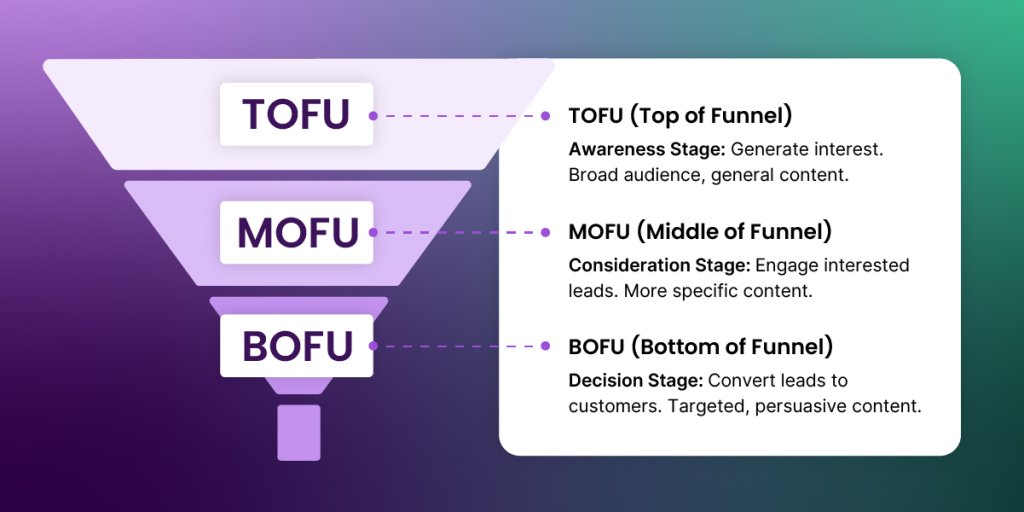
One campaign might focus on just one stage, but your overall approach should ideally cover all three.
One campaign might focus on just one stage, but your overall approach should ideally cover all three. Start with customer journey mapping to see how people actually move between stages, then pick one campaign and plan it out: what content goes where, when it publishes, who creates it, and how channels connect.
Here’s a simple example:
- Week 1—publish a blog post about website security (awareness).
- Week 2—email subscribers with key takeaways and link to full post (consideration).
- Week 3—social post with one stat from the blog, linking back (awareness).
- Week 4—follow-up email to those who clicked, offering a security checklist (decision).
Each piece connects and moves people forward. Blog introduces the topic, email builds trust, social brings new readers, engaged readers get a next step.
For successful integrated marketing campaigns, write down who’s creating what and when. If you’re solo, assign tasks to specific days. If you have a team, clear ownership keeps integration from falling apart when someone’s out.
6. Track What Matters and Optimize
Don’t just measure individual channel performance—track the integration points. How many website visitors become email subscribers? How many email clicks turn into purchases or bookings? Which social posts actually drive traffic that converts on your website? These connection points show whether your channels are working together or just coexisting.
As we’ve already touched on, you can’t track everything like you used to—privacy changes made sure of that. So focus on metrics you actually control: email open rates, website form conversions, which traffic sources lead to real results.
What to track for integrated marketing:
Channel connection metrics (this is what matters most):
- Website visitors who become email subscribers
- Email clicks that lead to website conversions
- Social traffic that converts vs. just visits
- Blog readers who join your email list
- Which channel combinations lead to sales
Awareness stage metrics:
- Traffic sources (where are people finding you?)
- Social reach and engagement
- Blog post views
Consideration stage metrics:
- Email open rates (see email marketing benchmarks for detailed ranges)
- Time on site and pages per visit
- Content downloads or guide signups
Decision stage metrics:
- Form submission rates
- Email click-through to purchase
- Conversion rate by traffic source
Get Your Free Digital Marketing Metrics Guide Struggling to interpret your marketing data? Use this guide to analyze your marketing performance and refine your strategy.
Google reCAPTCHA used. Privacy Policy and Terms of Service apply
TLDR: Track how people move between your channels. If your blog drives email signups and those subscribers buy, that’s integration working. If your social channels get likes but no one visits your website, that’s not.
Use Google Analytics to see where traffic comes from and what it does. Your email platform shows engagement. Your website forms show conversions.
Set monthly check-ins to review these numbers. What’s working? Do more of it. What’s not connecting? Drop it or fix it.
Your Go-To Integrated Marketing Plan Тemplate
Every business is different, so adapt this template to fit your industry, audience, and goals. Copy this into your notes or project doc and fill in each section to organize your integrated marketing approach.
| Step | Fill This In |
| 1. Your Core Message | Main value (one sentence): _________________________ |
| Problem you solve: _________________________ | |
| 2. Your Channels | Foundation: ☐ Website + Email connected |
| Channel 1: _____________ (where your audience is) | |
| Channel 2 (optional): _____________ | |
| 3. Adapt Your Message | Blog: _________________________ |
| Email: _________________________ | |
| Social: _________________________ | |
| Website: _________________________ | |
| 4. 90-Day Plan | Month 1: ☐ Connect website + email, define message |
| Month 2: ☐ Add social, link content across channels | |
| Month 3: ☐ Launch integrated marketing campaign, track and adjust | |
| 5. Track These Metrics | ☐ Website → email signups |
| ☐ Email → website clicks | |
| ☐ Social → conversions |
Best Integrated Marketing Channels (+ Examples)
Here are the channel combinations that work for small businesses, freelancers, and agencies—with the specific connection points that make them integrated.
Core Owned Channels:
Website + Email
This is your foundation because you control both. The connection: someone fills out a form on your website, they’re added to your email list. They click a link in your email, you see which page they visited. Website behavior informs email content, email drives people back to specific pages.
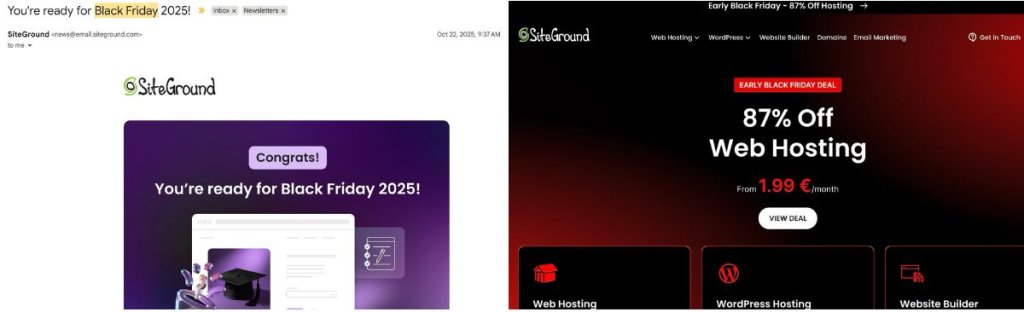
For example, SiteGround’s Black Friday campaign runs across both website and email—the same offers appear on the website homepage and in email campaigns, with emails driving traffic to specific landing pages and website visitors getting prompted to join the email list for exclusive deals.
Blog Content + Email Sequences
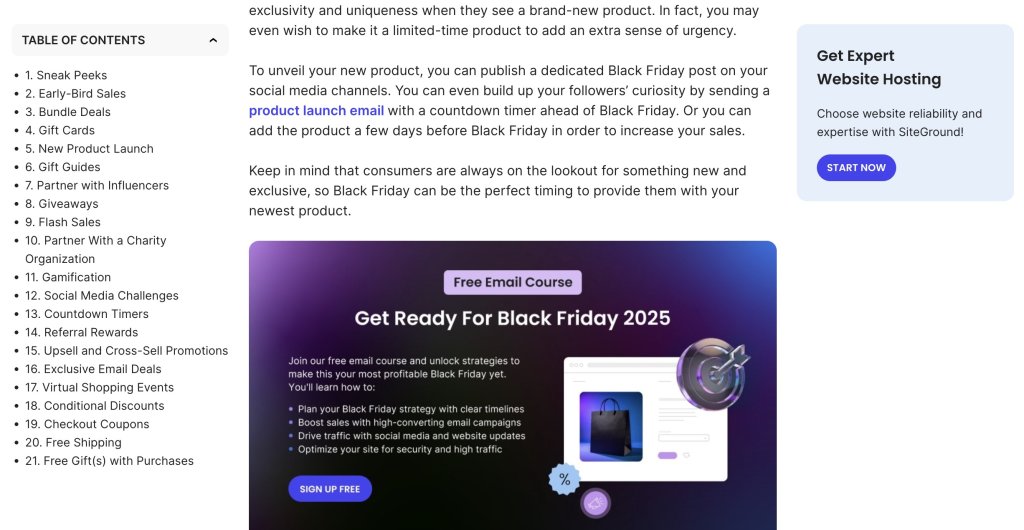
Write a blog post about a topic your audience cares about. At the end, offer an email course or guide on the same topic. Readers who sign up enter a sequence where each email builds on the blog content. You’re tracking who’s most engaged based on which posts they read and which emails they open.
Landing Pages + Form Data
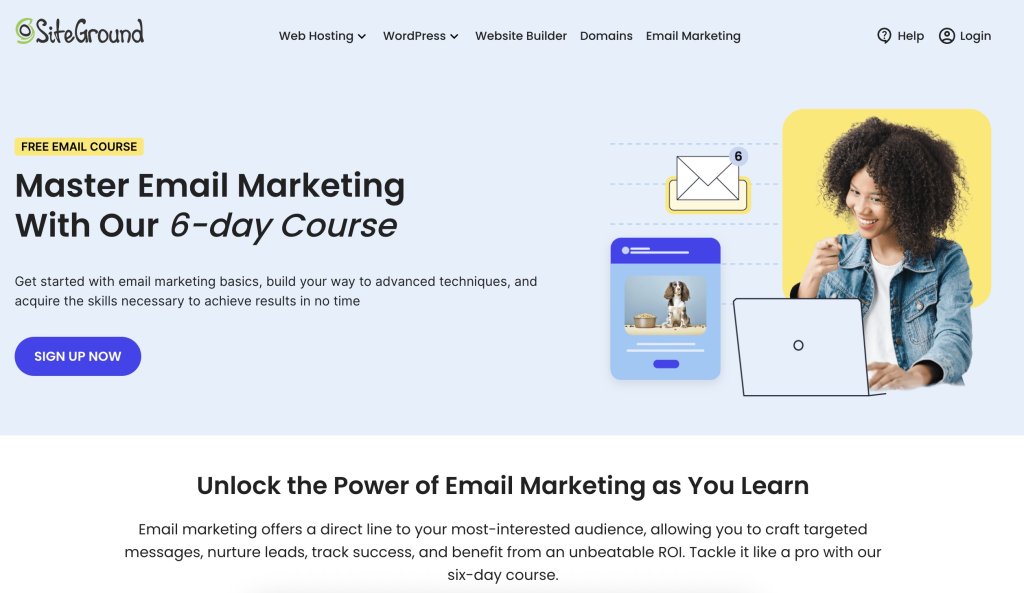
Create landing pages for specific offers—a guide download, consultation booking, or product demo. When you set up the form in SiteGround Email Marketing, assign it to a specific Group.
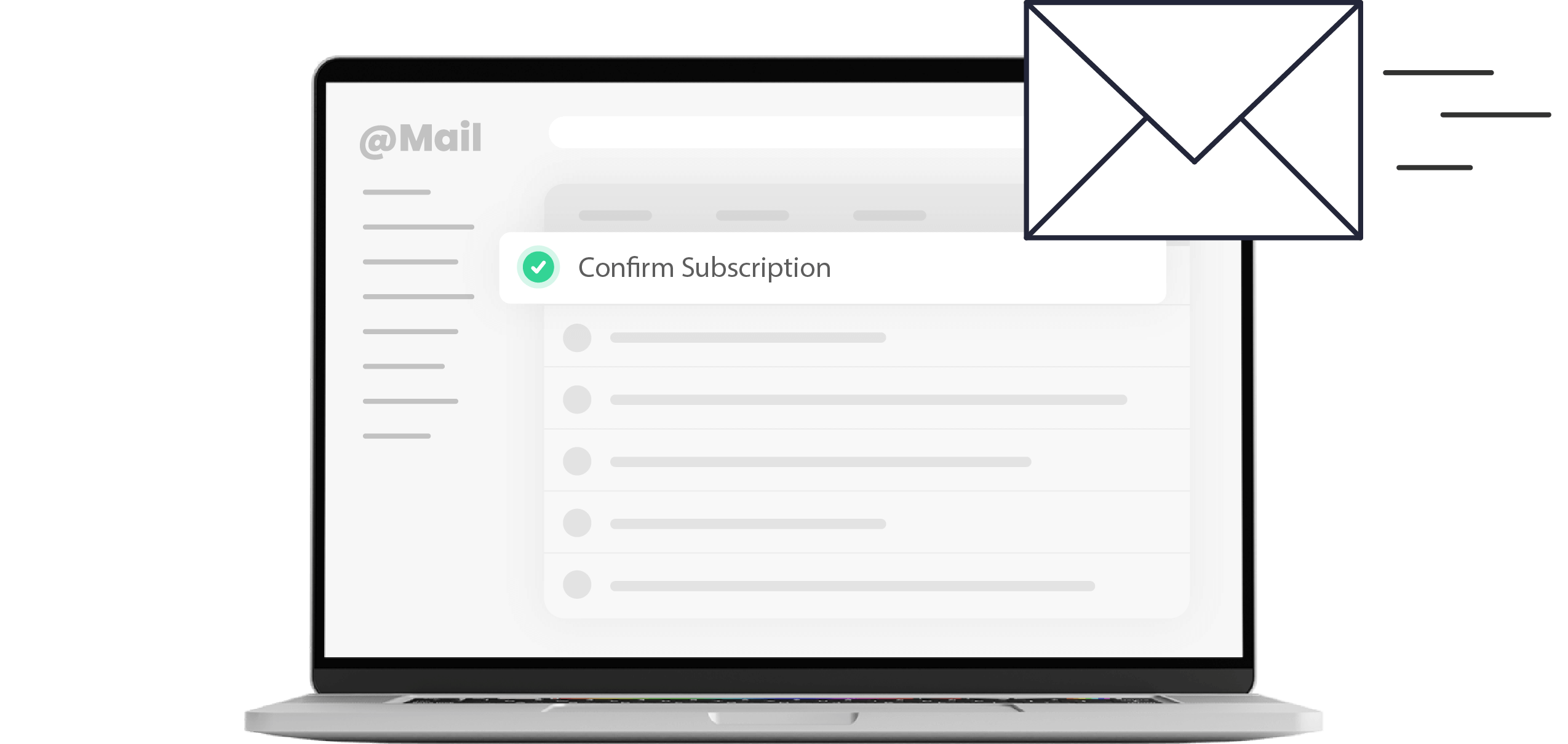
Someone who signs up for your “Master Email Marketing” course automatically gets added to your “Email Marketing” group. Now you can send targeted integrated marketing campaigns to that group—course lessons, advanced email tips, or related tools—instead of generic messages to your entire list.
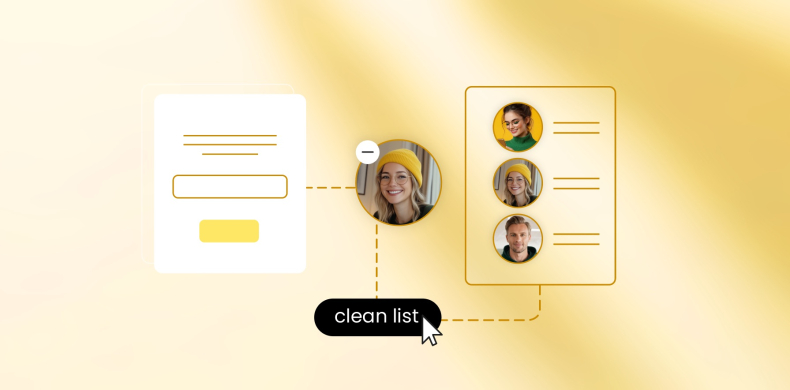
That’s integration through segmenting contacts: the offer someone chose determines which group they’re in and which emails they receive.
Someone interested in website speed gets speed content. Someone who downloaded security resources gets security emails. Your messaging stays relevant because it’s based on what they already told you they care about.
Social Media Marketing + Owned Channels
Social + Website + Email
Post content on social media with a clear next step: “Read the full guide” or “Get the checklist.” Social drives traffic to a landing page with a signup form. Someone who found you on Instagram is now on your email list, and you can continue the conversation beyond the algorithm. Use UTM tags in social links to see which posts drive the most signups.
SiteGround’s Instagram posts do exactly this—link in bio drives followers to website pages with signup forms.

Email + Social
Send emails asking subscribers to share results, leave reviews, or participate in something social. Feature this content on your social channels. Your email list becomes your most engaged social audience.
Paid + Owned Channels
Paid Advertising + Landing Pages + Email
Run an ad promoting a specific resource—a guide, checklist, or free tool. The ad links to a dedicated landing page (not your homepage) where visitors enter their email to access it. They get the resource immediately and enter an email sequence that continues the conversation.

You’re not just paying for website visits that disappear. You’re paying to build an owned audience you can market to repeatedly, without paying for every single interaction. One ad converts a stranger into an email subscriber you can reach for free from that point forward.
Paid Advertising + Website + Email
Someone visits your website but doesn’t sign up—retarget them with ads encouraging them to come back. When they do and sign up, they enter your email system. Or work it the other way: upload your email list to Facebook and show specific ads to people based on their email engagement. Someone who opened three emails about website security sees ads for your security service.
This is smarter targeting: instead of guessing, you use real behavior from your website and email to decide who sees your ads and what message they get.
Let’s Make Your Integrated Marketing Work
You don’t need to overhaul everything overnight. Pick one connection to make this week. Add a signup form to your most-read blog post. Link to that post in your next email. Mention your email newsletter in a social post. Just one connection.
With SiteGround Email Marketing that first connection happens automatically—website forms feed directly into your email list. No setup, no sync issues, just working integration from day one.
The businesses getting real results aren’t running the most complex systems. They’re the ones where everything connects: a customer sees a social post, clicks to read more, signs up for updates, and gets a welcome email that actually relates to what they just read. That’s integration.
You already have the pieces. Now make them work together.





Comments ( 0 )
Thanks! Your comment will be held for moderation and will be shortly published, if it is related to this blog article. Comments for support inquiries or issues will not be published, if you have such please report it through our official channels of communication.
Leave a comment
Thanks! Your comment will be held for moderation and will be shortly published, if it is related to this blog article. Comments for support inquiries or issues will not be published, if you have such please report it through our official channels of communication.