Website Retention: What It Really Means (and Why It Matters)

How much thought have you given to website retention? Maybe you’re not even quite sure what it means—and you wouldn’t be alone. Many people mistake it for metrics like time on page or bounce rate. But website retention measures something different: how well your site brings visitors back.
Let’s put the power of website retention into perspective. If your retention rate is 10% and 8,000 people visit your site during the holidays, only 800 will come back. Raise that to 30%, and 2,400 people will return to explore more—without spending a cent more on ads or acquisition!
In this article, we’ll break down what website retention really means, why it matters for your business, and how to measure it effectively. You’ll also discover actionable strategies to improve retention. By the end, you’ll have a clear roadmap for turning casual visitors into repeat users and loyal customers who see ongoing value in your site.
What Is a Website Retention Rate?
Website retention rate measures how effectively your site brings visitors back over time. It reflects how well your content, design, and experience encourage users to return—and ultimately, how much lasting value your site delivers.
Unlike engagement metrics that focus on what happens during a single visit, website retention looks at what happens after: do people come back? This metric depends on two key factors—the time frame you measure (weekly, monthly, etc.) and the formula you use to calculate it. We’ll walk through both of those in more detail below, along with practical ways to interpret and improve your results.
Website Retention vs. Other Key Retention Metrics
Before we move on, let’s address the digital metrics elephant in the room: we’ve all been there—thinking “website retention” must mean how long visitors stay on the page. It makes sense, right? But no. With so many look-alike digital marketing metrics—user retention, customer retention, session duration, and so on—it’s easy to get confused. So let’s quickly untangle the differences and definitions.
Website Retention Rate
As we’ve established, this measures how effectively your site brings visitors back over time. It focuses on returning website visitors—people who come back after their initial visit—as a sign that your website delivers lasting value.
Session Duration
Metrics like average session duration or engaged sessions show how long visitors stay on your site during a single visit. These reflect engagement quality, not long-term loyalty.
Bounce Rate
Bounce rate shows the percentage of visitors who leave your site after viewing only one page. A high bounce rate can signal that users aren’t finding what they expected—or that your page isn’t giving them a reason to explore further. While it’s not the same as retention, it can offer early clues about whether visitors are likely to return.
User Retention Rate
This comes from the world of digital products and apps. The user retention rate measures how many unique users remain active and engaged within a defined time period (such as daily, weekly, or monthly). It’s stricter and more time-based, emphasizing ongoing activity rather than simple return visits.
Customer Retention Rate
Customer retention rate looks at how many of your existing customers continue to buy or use your services over time. While website retention happens earlier in the marketing funnel—tracking visitors before they convert—the customer retention rate measures loyalty and sustained value after conversion.
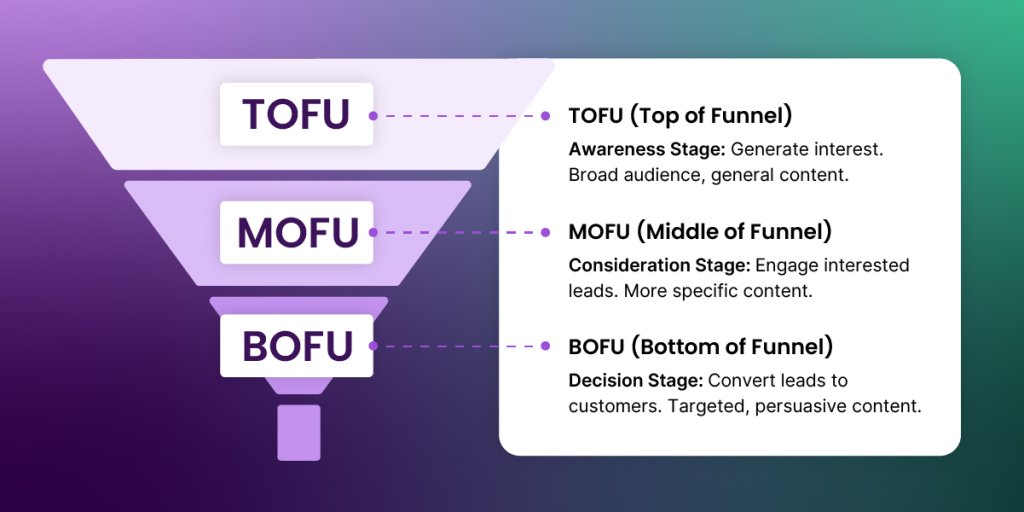
Simply put:
- Website retention rate = how many people return to your site over time
- Session duration = how long visitors stay during a single visit
- Bounce rate = how many visitors leave after viewing only one page
- User retention rate = how often users remain active within a product or platform
- Customer retention rate = how many existing customers continue buying or using your service
Why Website Retention Matters
Now that we’ve sussed out the true meaning of website retention, it’s worth understanding why it matters so much. It not only means more returning visitors, but it impacts every major area of your online success, and probably in more ways than you realize. Let’s unpack the importance of website retention for your business.
1. Business impact
Just as it’s more cost-effective to retain an existing customer than to acquire a new one, the same principle applies to your website—it’s far cheaper to keep visitors coming back than to attract fresh traffic. Repeat visitors are more likely to convert, spend more over time, and become loyal customers that advocate for your brand. A site with good retention builds consistent, reliable traffic that drives higher sales and long-term growth.
2. SEO performance
Did you know that search engines reward user engagement? Indeed, when people return to your site, spend time exploring, and interact with your content, it signals to Google that your website delivers good value. High retention indirectly supports SEO with stronger search rankings and better visibility.
3. Brand loyalty and trust
A site that people return to regularly becomes a trusted source—whether for information, inspiration, or solutions. Over time, this builds credibility, authority, and emotional connection—the kind of brand loyalty no ad campaign can buy.
How to Measure Website Retention
While we touched on this above, let’s get a bit more granular. Measuring website retention is about understanding how many visitors come back to your site over time, and how effectively your content, UX, and performance keep them engaged. Unlike session duration or pageviews, retention focuses on return visits, giving you insight into the long-term value your site provides. So what does this look like?
1. Define the Time Frame
Retention is always measured over a specific period—daily, weekly, monthly, or annually. Choosing the right time frame depends on how frequently your visitors typically return and what actions define meaningful engagement on your site.
Consider these factors when deciding on your website retention time frame:
Site type & content frequency:
- News or blog sites: Weekly retention often makes sense because readers return for regular updates.
- Ecommerce sites: Monthly retention may be more relevant, reflecting purchase cycles.
- SaaS or subscription services: Daily or weekly retention can show ongoing usage of your product.
User behavior patterns:
Start with a reasonable initial time frame based on your site type. Then, review your analytics to see how often visitors actually return. If most return sooner or later than your chosen interval, adjust the time frame to better capture repeat visits. This ensures your retention metric reflects real user behavior without being too short (which can be noisy) or too long (which can hide trends).
Business goals:
If your goal is engagement with content, shorter intervals like weekly retention may highlight trends. If the goal is repeat purchases, monthly or quarterly retention may be more useful.
Note: In Google Analytics 4 (GA4), retention is calculated automatically over fixed windows—1 day, 7 days, and 30 days. You can’t modify these default time frames, but you can interpret them based on your site’s engagement patterns. For instance, if your visitors typically return weekly, the seven-day retention window will give the most relevant insights.
2. Gather the Data
Before calculating, you need to know how many visitors are returning and how many total visitors you had within your chosen time frame.
Most analytics tools, like Google Analytics 4, make this easy. In GA4, you can check:
- Retention report: Overview of new versus returning users.
- Cohort Analysis: Track how specific groups of visitors (such as those who first visited in January) behave in later weeks or months.

Image source: Google Analytics
Note that cohort analysis gives you deeper insight than the overall website retention rate. It can show:
- Whether visitors return more often after content updates or site changes.
- Which marketing channels bring back the most repeat visitors.
- Which website pages or entry points generate the most long-term engagement.
Tip: You won’t see a metric called “website retention” in GA4. Instead, look for related metrics such as Returning Users, User Retention, or Cohort Retention. These represent the same concept—how many of your visitors come back after their first visit—and can be found in the Retention or Cohort Analysis reports.
After you’ve explored these reports and spotted your returning visitor numbers, it’s time to pull the data you’ll need for your calculation. Export or note these figures—you’ll use them in your retention formula next.
3. Apply the Retention Formula
Now that you have your data, calculate your website retention rate using this formula:
Retention Rate = (Returning Visitors ÷ Total Visitors) × 100
Make sure the numbers match your chosen period. For example, if you’re measuring monthly retention:
- 1,000 people visited your site in January.
- 250 of them returned at least once in February.
- Monthly retention rate = 250 ÷ 1,000 × 100 = 25%
This calculation gives you a clear, consistent measure of how well your site turns first-time visitors into repeat ones. We’ll get into industry benchmarks below to help you understand how your own numbers compare.
4. Consider Measurement Limitations
Even if you’ve implemented everything correctly, it’s worth noting that analytics data isn’t always 100% complete. Privacy settings, cookie consent banners, and ad blockers can prevent some visitors from being tracked. This means you might successfully bring users back to your site—but not see all of those return visits reflected in your analytics.
That’s normal and expected. The key is to keep implementing retention strategies consistently, knowing that your actual returning audience may be slightly larger than what the data shows.
If you want to improve the accuracy of your measurement:
- Encourage users to create an account or sign up so returning visits can be tied to logins rather than cookies.
- Consider using first-party data (like newsletter subscriptions or memberships) to supplement analytics reports.
- Some websites, including many media outlets, require users to accept cookies to access content. While this can improve data accuracy, it often feels intrusive and can harm the overall user experience, so it’s worth considering carefully before implementing.
5. Review Related Metrics
While not the same as retention, metrics like average session duration, pages per session, and bounce rate can provide important context:
- A long session with multiple pages indicates engaging content, which can support retention.
- A high bounce rate or short sessions may signal that your site isn’t giving visitors a reason to return.
Together, these metrics paint a more complete picture of both immediate engagement and long-term loyalty. They can act as hints for how to improve your site and up retention.
How to Improve Website Retention
Improving website retention is about giving visitors a good reason to come back. And, well, strong retention just doesn’t happen by accident. So how does it happen? Here are the top tips for improving your website retention:
1. Optimize the User Experience
Seamless, intuitive web design is the foundation of retention. Visitors stay on sites that are easy to navigate and enjoyable to use. Here are some key tactics to optimize user experience and increase website retention:
- Clear navigation and menus: Make it easy for visitors to find what they need. Well-labeled categories, menus, and interlinks help users explore more pages without frustration.
- Visual hierarchy and clarity: Highlight important content and calls to action so users can quickly understand the site’s purpose.
- Engaging media: Incorporate videos, images, and interactive elements thoughtfully—but avoid slowing the site down.
- Logical user paths: Guide visitors naturally through your site with a clear flow from landing pages to deeper content, encouraging return visits for more exploration.
- Accessibility: Ensure your site works for all users, including those with disabilities. Screen reader compatibility, readable fonts, and color contrast are accessible web design techniques that can really make a difference.
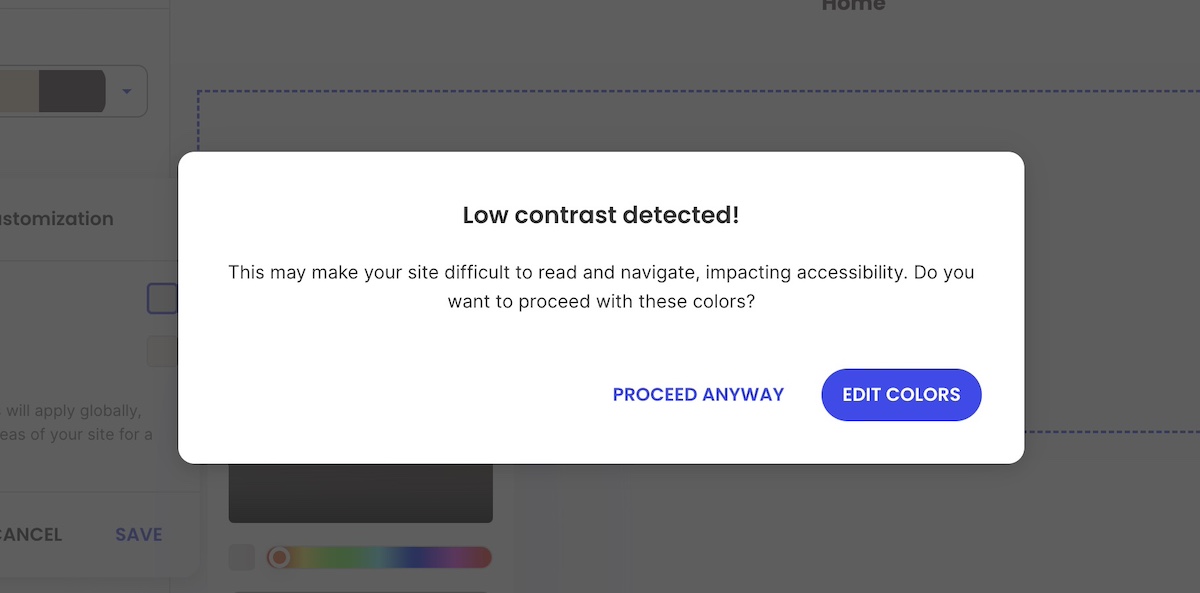
Not sure how to do this in practice? The SiteGround Website Builder makes it easy, with clean designs, easy-to-add buttons, and alerts, like the one shown above, that let you know when your color choices aren’t optimal.
2. Enhance Site Performance
Have you ever landed on a website that takes forever to load? Of course you have. It’s frustrating, and quickly makes you want to leave and not look back. The content could have been fantastic, but if the site is slow or unreliable, it won’t be retaining anyone.
That’s why website performance is so very critical—and it’s often an overlooked driver of retention. Here’s what’ll you want to pay attention to in order to improve website performance and increase retention:
- Page load speed: We already know this: visitors expect pages to load quickly. Slow sites frustrate users and increase the likelihood of them leaving—and never coming back.
- Mobile optimization: With more users browsing on mobile devices, a responsive design ensures a smooth experience for everyone.

- Reliability and uptime: Unexpected downtime erodes trust and discourages repeat visits. Reliable website hosting and monitoring are key to making sure your site is always up and running.
- Technical optimization: Efficient code, caching, and content delivery networks (CDNs) help keep performance high even as traffic grows.
3. Create Fresh Content Worth Coming Back For
If you’ve been to a site before and consumed all it has to offer, then why would you go back? Probably because you expect to see something new! Indeed, visitors return to websites that consistently provide good value. And that’s why content is the heart of retention. Here’s how you can use your content to boost your website retention:
- Evergreen and updated content: Ensure your core pages remain relevant and accurate, while adding new material to keep visitors engaged.
- Personalized recommendations: Suggest related articles, products, or resources based on visitor behavior.
- Quality over quantity: Focus on content that solves problems, educates, or entertains.
- Dynamic content: Use blogs, videos, or fresh content to give users a reason to check back regularly. For example, we at SiteGround have an Academy where we regularly post new expert articles, educational videos, free ebooks, and more.
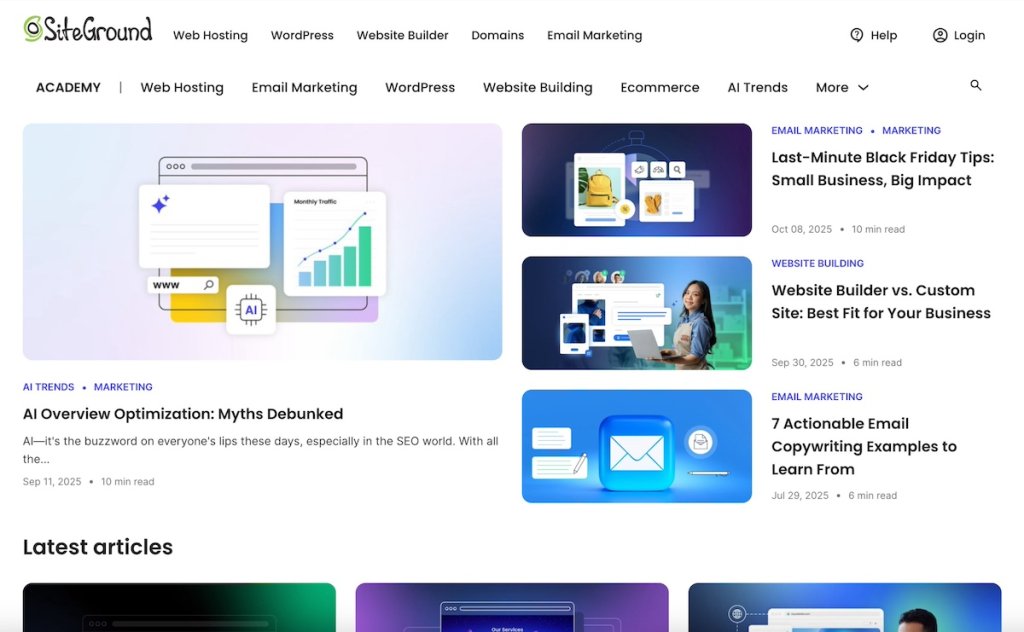
If the idea of constantly coming up with fresh content feels intimidating, there’s an easier way. With the SiteGround Website Builder, you can use the built-in AI Writer to quickly generate content on the go—no more stale pages or writer’s block. It also automatically optimizes your site for mobile and delivers the high performance SiteGround is known for. That means you can tackle several retention strategies at once, without the extra effort.
4. Encourage Engagement and Connection
We’ve established that you need to give visitors a reason to return, but creating fresh content isn’t enough: you also need engagement. Email marketing and loyalty programs are powerful tools to engage, connect, and get those visitors come back to your site for more. Here are a handful of ways to engage with your visitors so that you can increase your website retention:
- Email newsletters and updates: Regularly share fresh content, updates, or promotions with your subscribers. A well-crafted email reminds them why your site is valuable and encourages them to come back.
- Content teasers and personalized recommendations: Use email to highlight new articles, resources, or products tailored to the user’s interests, enticing them to revisit your site.
- Loyalty and incentive programs: Reward repeat visits or interactions with points, discounts, exclusive content, or early access offers. Incentives can motivate users to re-engage and even convert.
- Smart reminders and re-engagement emails: Send prompts to inactive users, gently reminding them of what they’re missing—whether it’s a trending article, a limited-time offer, or new tools on your site.

Pro Tip: Keep Visitors Coming Back with SiteGround Email Marketing
Engagement is paramount to website retention—and email is one of the most effective ways to bring visitors back. SiteGround Email Marketing helps you:
-Create targeted campaigns that reach the right audience
-Send automated newsletters with fresh content, updates, or promotions
-Deliver personalized recommendations tailored to user interests
-Set up re-engagement campaigns to win back inactive visitors
5. Analyze and Iterate
Website retention is always evolving. It can fluctuate week to week or month to month, and there’s always room to improve. That’s why ongoing measurement of digital marketing metrics is essential. Here’s what to keep in mind when it comes to analyzing your metrics to improve website retention:
- Monitor analytics: Track returning visitors, page performance, session duration, and engagement patterns.
- Identify trends and gaps: See which content, pages, or features drive retention and which don’t.
- Test changes: Small UX, performance, or content adjustments can have a measurable impact on return rates.
- Combine quantitative and qualitative data: Use analytics alongside feedback (such as from survey emails) to understand why users come back—or why they don’t.
Industry Benchmarks for Website Retention
Understanding how your site performs compared to others in your industry can help you set realistic goals and spot opportunities for improvement. Keep in mind that retention rates vary widely depending on industry, content type, and audience—that said, the following benchmarks provide a useful reference.
| Industry | 30-Day Retention Rate | 60-Day Retention Rate | 90-Day Retention Rate |
| Media & Professional Services | ~30% | ~25% | ~20% |
| Automotive & Transportation | ~25% | ~20% | ~15% |
| Insurance | ~35% | ~30% | ~25% |
| IT & Software | ~40% | ~35% | ~30% |
| Retail | ~20% | ~15% | ~10% |
| Hospitality, Travel, Restaurants | ~15% | ~10% | ~5% |
Note: These figures are approximate averages based on available data and may vary depending on specific business models and user engagement strategies.
What to Know About These Industry Insights
Context is everything when interpreting these industry benchmarks. Understanding why these rates look the way they do will help you apply them more effectively to your own website strategy.
- Media & Professional Services: These industries often have higher retention rates due to compelling content and specialized services that encourage users to return regularly.
- Automotive & Transportation: Retention is influenced by factors like service reliability and customer satisfaction, leading to moderate return rates.
- Insurance: Users may revisit insurance websites for policy renewals or to explore additional services, contributing to higher retention.
- IT & Software: Continuous updates, support, and product enhancements can drive users to return, resulting in higher retention rates.
- Retail: Frequent promotions, new product launches, and personalized recommendations can help improve retention.
- Hospitality, Travel, Restaurants: Seasonal demand and varying customer needs can lead to lower retention rates in these sectors.
Website Retention: Build a Site Worth Returning To
Every return visit tells a story: a user found value, felt engaged, and decided to come back. When you focus on retention metrics and making deliberate improvements to content, design, and engagement, you give more visitors a reason to write the next chapter.
Building a website that encourages repeat visits doesn’t have to be complicated. The SiteGround Website Builder offers an intuitive, fast, and reliable platform to design your site, launch content quickly, and ensure a smooth experience for your visitors. With features like responsive design, customizable templates, and built-in SEO tools, you can focus on creating content and engagement strategies that drive retention—while leaving the technical work to a platform you can trust.








Comments ( 0 )
Thanks! Your comment will be held for moderation and will be shortly published, if it is related to this blog article. Comments for support inquiries or issues will not be published, if you have such please report it through our official channels of communication.
Leave a comment
Thanks! Your comment will be held for moderation and will be shortly published, if it is related to this blog article. Comments for support inquiries or issues will not be published, if you have such please report it through our official channels of communication.